1902-1943
The Cell That Imagined a Plant
Before plant tissue culture became a production workflow, it was a question with almost reckless elegance: could an isolated living plant cell reveal the potential of the whole organism?
Read articlexPlant Pro Editorial Series
Five richly illustrated essays tracing the culture room from Haberlandt's isolated cells to micropropagation, conservation, and evidence-aware biotechnology records.
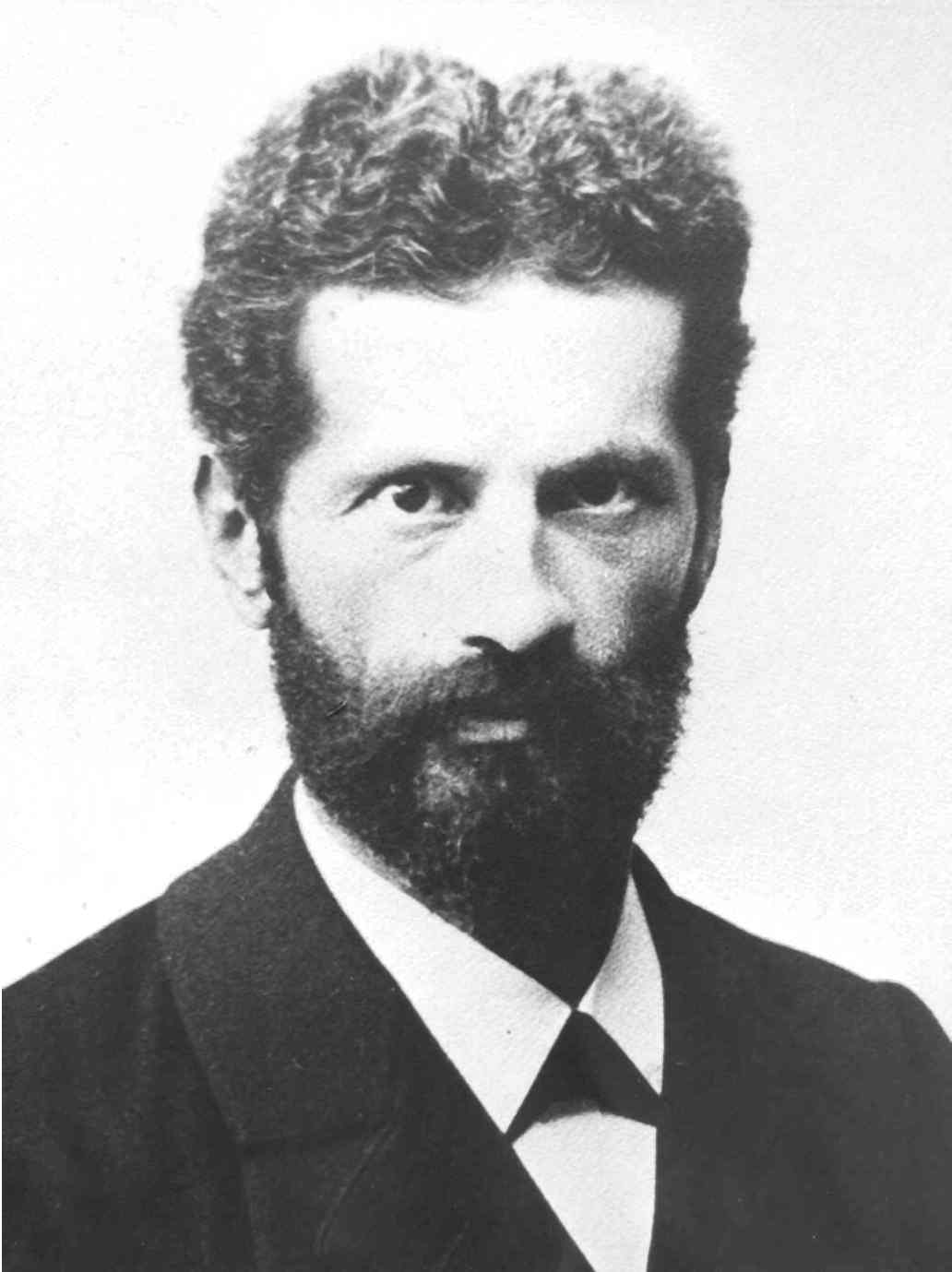
Editorial standard
Each essay uses source-linked imagery, visible credits, and careful tissue-culture language. The series treats records as part of the science: media, lineage, stage, transfer history, observations, and uncertainty all stay in view.
1902-1943
Before plant tissue culture became a production workflow, it was a question with almost reckless elegance: could an isolated living plant cell reveal the potential of the whole organism?
Read article1940s-1960s
Nutrient media and growth regulators transformed plant tissue culture from a fragile aspiration into a tunable system where shoots, roots, callus, and records began to speak to each other.
Read article1949-1970s
Orchid meristems, clonal propagation, and commercial culture rooms changed tissue culture from an experimental art into a production discipline built around identity, timing, and repetition.
Read article1970s-present
In vitro conservation and germplasm storage turned tissue culture into a long-term promise: keep living diversity usable, traceable, and ready for careful distribution.
Read article1980s-present
Agrobacterium, transformation events, regenerated plants, and assay evidence made tissue culture records more consequential than ever: every result needed a traceable story.
Read articleReading path