1902-1943
The Cell That Imagined a Plant
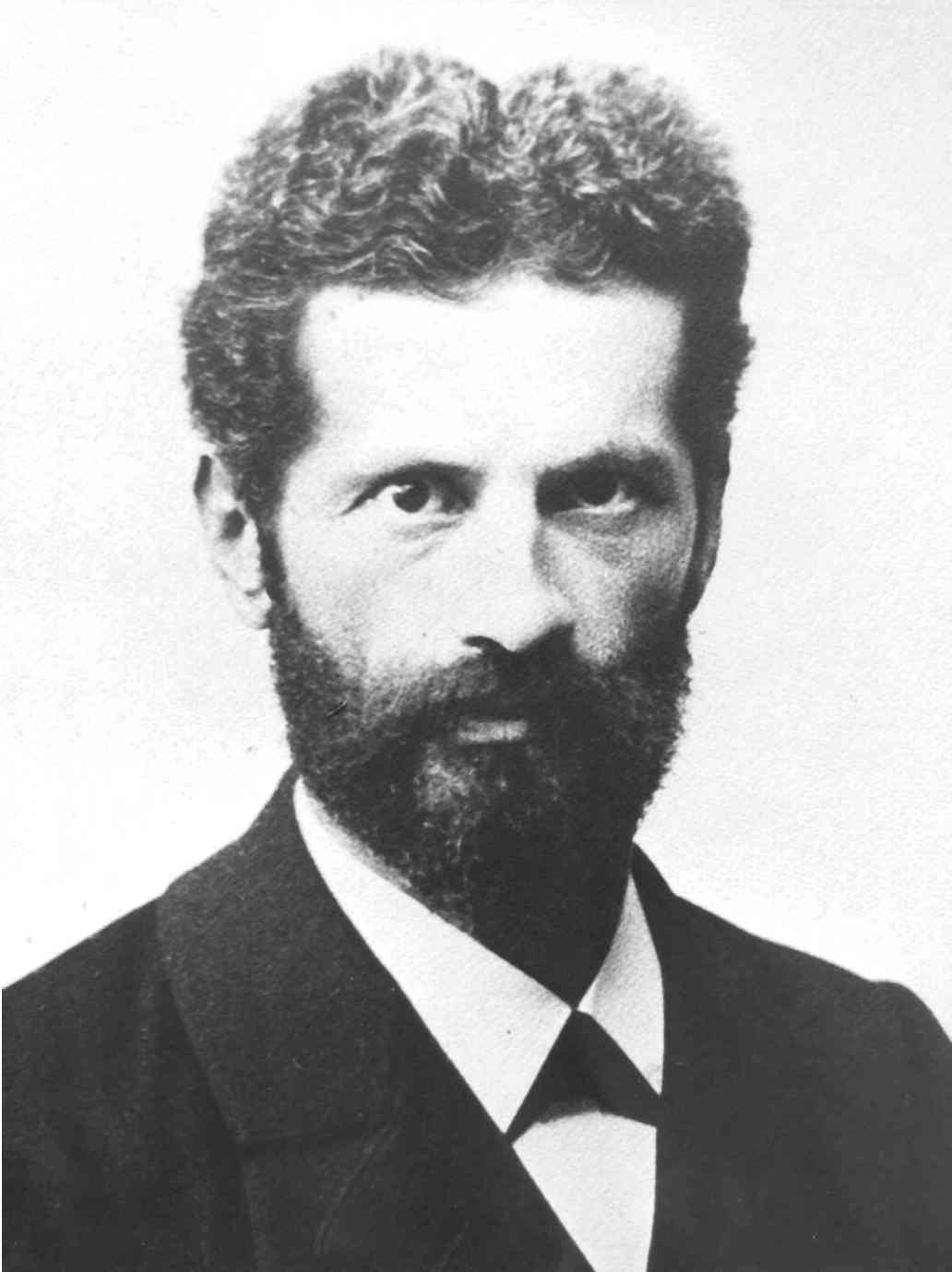
Before plant tissue culture became a production workflow, it was a question with almost reckless elegance: could an isolated living plant cell reveal the potential of the whole organism?
xPlant Pro Editorial Series
A source-backed editorial series tracing plant tissue culture from Haberlandt's isolated cells through micropropagation, germplasm conservation, and evidence-aware biotechnology records.
Editorial standard
Tissue culture's history is a history of record-keeping as much as of science: media, lineage, stage, transfer history, observations, and the people who wrote them down.
1902-1943
Before plant tissue culture became a production workflow, it was a question with almost reckless elegance: could an isolated living plant cell reveal the potential of the whole organism?
1940-1960
Nutrient media and growth regulators transformed plant tissue culture from a fragile aspiration into a tunable system where shoots, roots, callus, and records began to speak to each other.
1949-1970
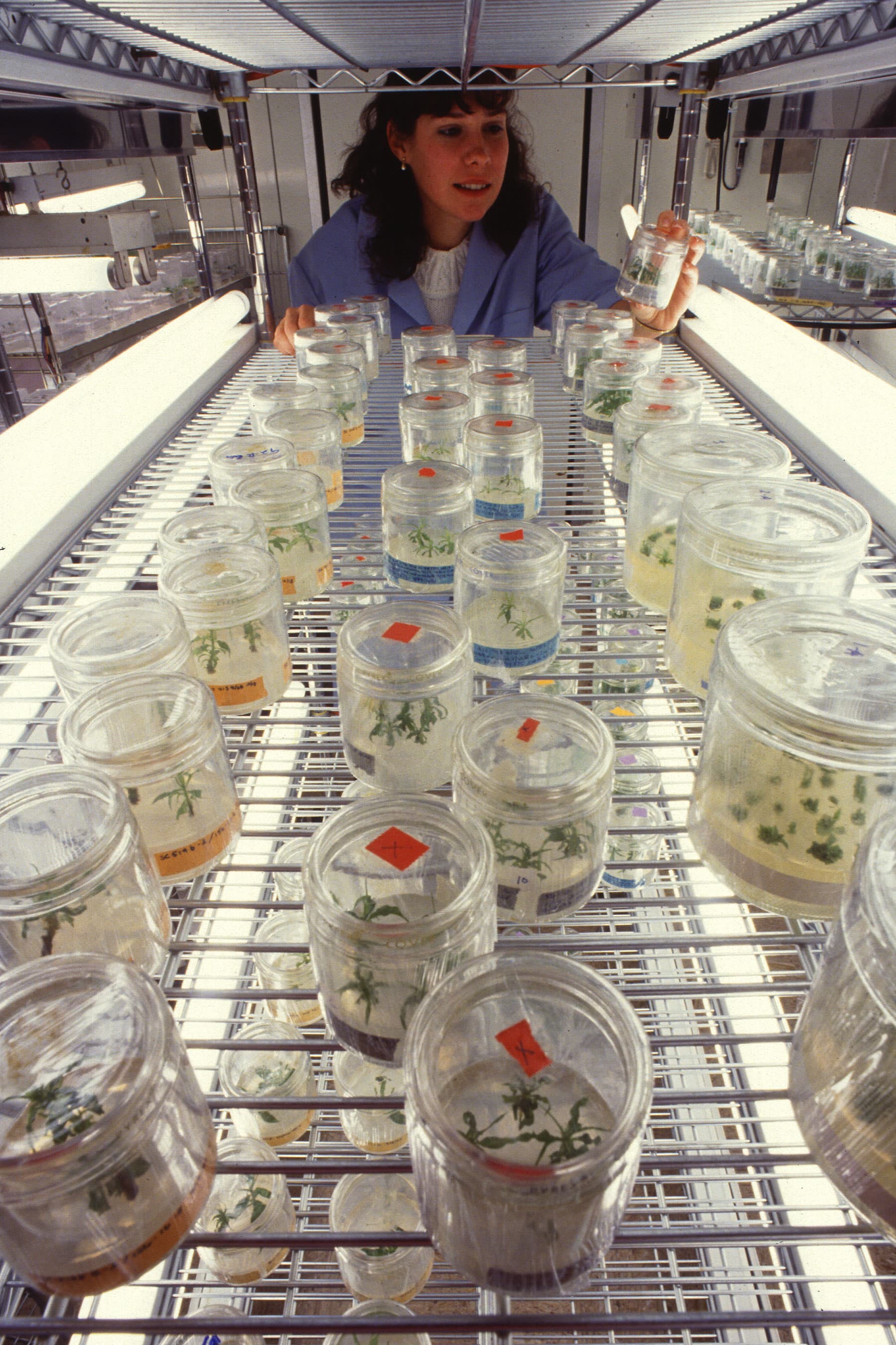
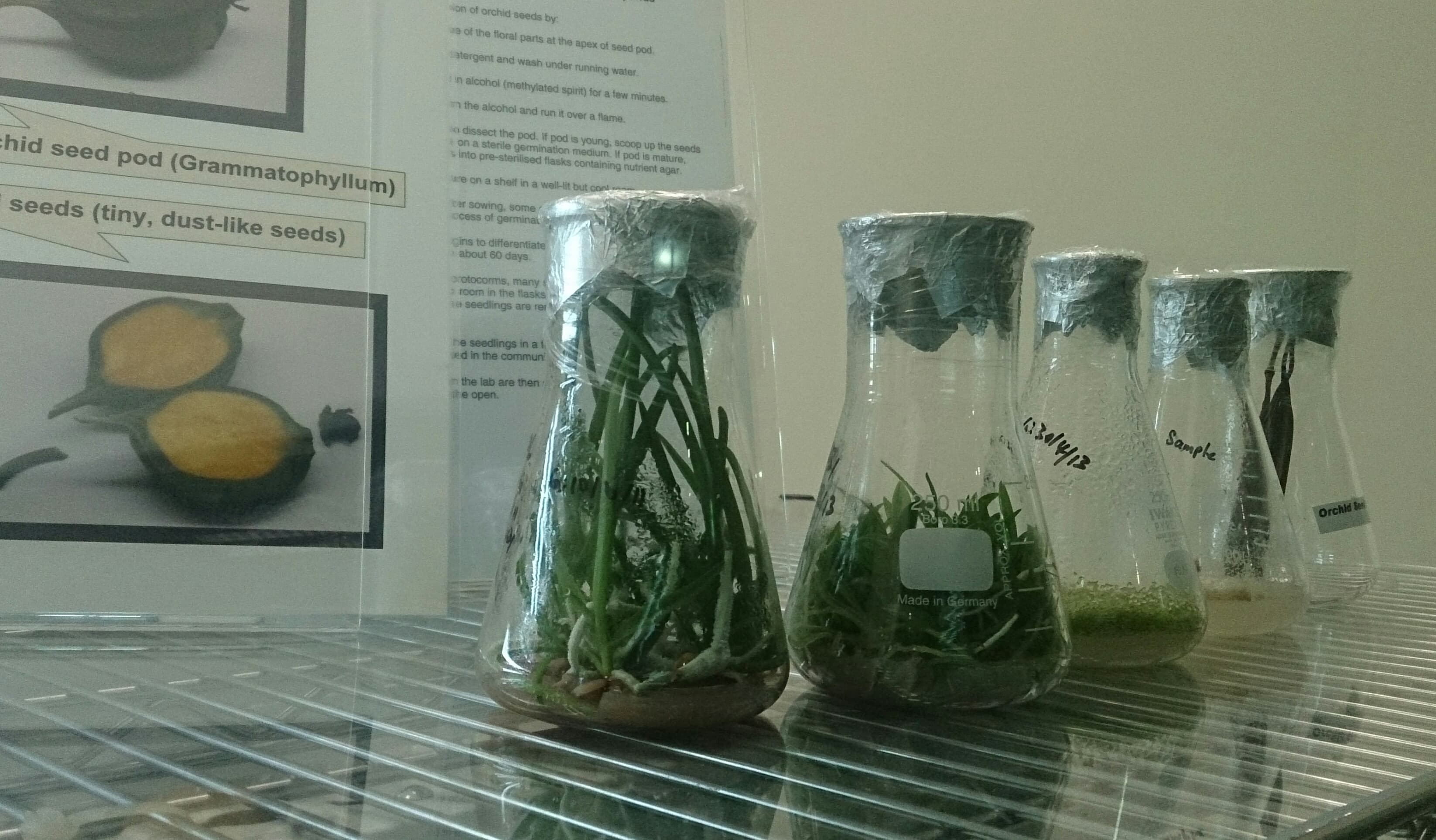
Orchid meristems, clonal propagation, and commercial culture rooms changed tissue culture from an experimental art into a production discipline built around identity, timing, and repetition.
1970-present
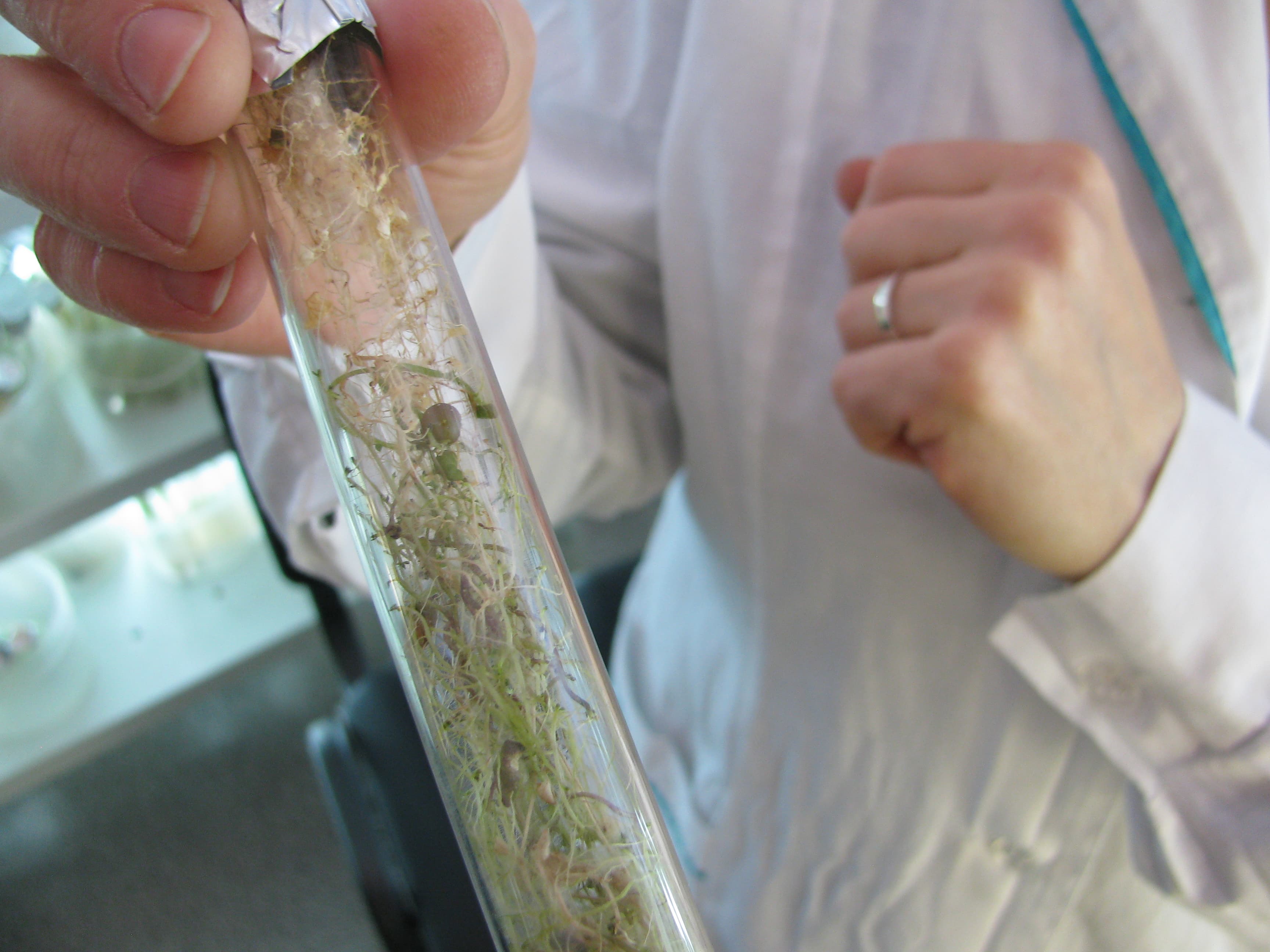
In vitro conservation and germplasm storage turned tissue culture into a long-term promise: keep living diversity usable, traceable, and ready for careful distribution.
1980-present
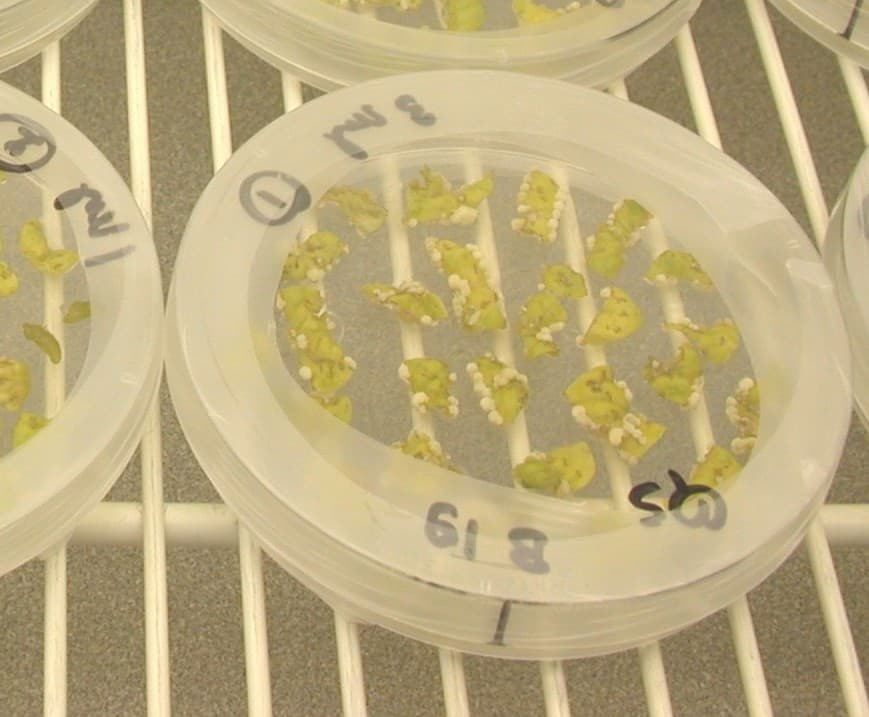
Agrobacterium, transformation events, regenerated plants, and assay evidence made tissue culture records more consequential than ever: every result needed a traceable story.
Reading path