
xPlant Pro Editorial

The xPlant Pro Blog

Long-form writing on plant tissue culture — the people, the methods and the records behind the culture room.

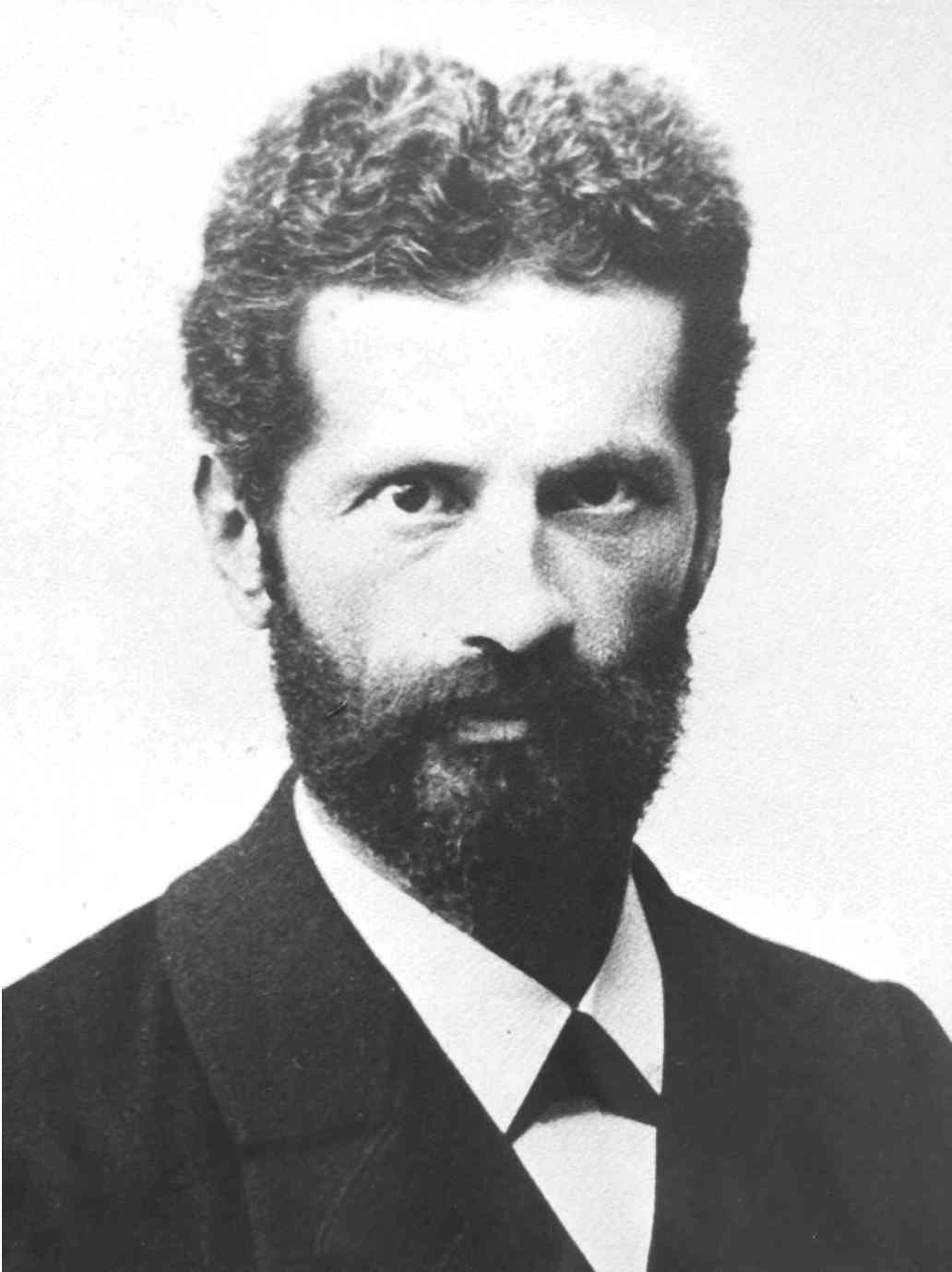
Gottlieb Haberlandt helped frame the question that still gives plant tissue culture its charge: how much of a whole plant is latent in a single living cell?Image: Unknown author, public domain, via Wikimedia Commons.

1902-1943

The Cell That Imagined a Plant

Before plant tissue culture became a production workflow, it was a question with almost reckless elegance: could an isolated living plant cell reveal the potential of the whole organism?

8 min read

Read article
By the late twentieth century, media work had moved from improvised glassware into production-like benches where plantlets, recipes, and observations all had to stay synchronized.Image: Scott Bauer / USDA Agricultural Research Service, public domain.

1940-1960

The Recipe Becomes an Instrument

Nutrient media and growth regulators transformed plant tissue culture from a fragile aspiration into a tunable system where shoots, roots, callus, and records began to speak to each other.

9 min read

Read article
Orchid micropropagation turned the culture room into a place where identity, timing, and multiplication had to be managed as carefully as the medium.Image: ProjectManhattan, CC BY-SA 3.0, via Wikimedia Commons.

1949-1970

When One Plant Became a Roomful

Orchid meristems, clonal propagation, and commercial culture rooms changed tissue culture from an experimental art into a production discipline built around identity, timing, and repetition.

8 min read

Read article
Vegetatively propagated crops made conservation a living problem: collections had to preserve accessions that could not simply be dried, frozen as seed, and forgotten.Image: Luigi Guarino, CC BY 2.0, via Wikimedia Commons.

1970-present

The Genebank Inside the Jar

In vitro conservation and germplasm storage turned tissue culture into a long-term promise: keep living diversity usable, traceable, and ready for careful distribution.

8 min read

Read article
Transformation made the culture record even more evidentiary: the question was no longer only what grew, but what event, vector context, assay, and observation belonged together.Image: Seb951, CC BY-SA 3.0, via Wikimedia Commons.

1980-present

The Culture Record Enters Biotechnology

Agrobacterium, transformation events, regenerated plants, and assay evidence made tissue culture records more consequential than ever: every result needed a traceable story.

9 min read

Read article

Also on xPlant Pro

The guides library covers tissue culture workflows step by step — media, explants, transfers, contamination observations and the records that hold them together.

Browse the guides